
A signed contract is not the finish line. It is the starting line for verification.
I have reviewed hundreds of home improvement projects over the years, and I can tell you exactly where things go sideways. It is rarely in the middle of the work. It is almost always in the gap between what the contract promised and what the contractor actually brought to the job site.
That gap is where your money goes missing. And it is entirely preventable if you verify a short list of items before the first hammer swings.
Here are the seven things I check on every project I review—and why each one matters more than a friendly handshake.
1. The License Exists—And It Is Active for the Right Scope

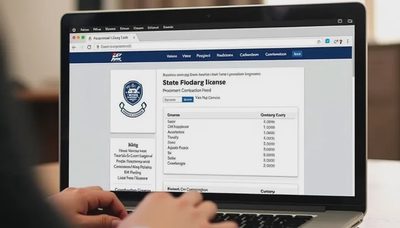
A business card with a license number is not verification. You need to look it up.
Every state has a licensing board (in Colorado, it is the Department of Regulatory Agencies—DORA). Before anyone sets foot on your property, pull up that database and check:
Is the license active or expired?
Is the license type specific to the work (e.g., a roofing license does not cover plumbing)?
Does the business name on the license match the name on your contract?
I have seen contractors hand over a license number that belonged to a company that went out of business three years ago. The homeowner never checked. The work was never permitted. And the warranty was worthless.
Verification is free. A bad license is not.
2. Insurance That Covers You, Not Just Them
Contractor insurance is not a single document. It is two separate policies, and you need proof of both:
General Liability – Covers damage to your property if something goes wrong.
Workers' Compensation – Covers injuries to the workers while they are on your site.
Here is the part that trips up older homeowners: if a contractor hands you a "Certificate of Insurance" (COI), that is just a snapshot. It does not prove coverage exists on the day of the work.
Call the insurance agency listed on the certificate. Ask if the policy is active. Ask if it covers the exact address of your project. And if they are subcontracting any part of the job, ask for the subs' certificates, too.
Why this matters: If a worker falls off a ladder in your backyard and the contractor has no workers' comp, that worker can come after your homeowner's insurance—or you personally. That is a risk you do not need to take.
3. Permit Responsibility in Writing
This one is simple. The contract must state, in plain language, who pulls the permit and when.
I do not care if the contractor says, "We handle everything." If it is not written down, it is not handled.
What I look for:
Is the permit pulled before demolition starts?
Is the permit posted on the job site (visible to the inspector)?
Are inspections scheduled at the required milestones (rough-in, final)?
If the contract is silent, the permit is silent—and your city or county can issue a stop-work order. Then you are left paying for a stalled project while the contractor says, "That's not my problem."
It is your problem if it is not in writing. Make it theirs.
4. A Scope That Matches the Job, Not the Sales Pitch

This is the most common gap I find. The salesperson promised a full bathroom remodel, including a new subfloor, updated plumbing rough-in, and a waterproof membrane. The contract says, "Install new tile in bathroom."
Those are not the same thing.
Read the scope of work line by line. Does it mention:
Demolition and debris removal?
Subfloor repair or replacement?
Plumbing and electrical work—and who is doing it?
Waterproofing details (membrane, tape, seals)?
Cleanup and final walk-through?
If it does not say it, it is not included. And when it is not included, it becomes a change order. Change orders are expensive. They are also the primary way a low bid turns into a high final bill.
5. References That Are Recent and Relevant
A contractor with a binder full of five-star reviews from 2018 is not a contractor with a recent track record. Ask for references from the last six months—and specifically for projects similar to yours.
When you call:
Ask if the project finished on time and on budget.
Ask if the contractor returned calls during the project.
Ask if any surprise costs came up—and whether they were clearly communicated beforehand.
And here is a trick: ask if there was any inspection failure. A good contractor will tell you about it and explain how it was fixed. A contractor who claims everything was perfect is either lying or has not done enough work to know better.
6. A Payment Schedule That Protects Your Cash
The safest payment schedule I have seen ties payments to visible progress, not calendar dates.
A safe schedule looks like this:
10% deposit at signing (to hold the date and order materials).
25% when materials are delivered to the site (you can see them).
25% when rough-in work is complete (plumbing, electrical, framing—approved by the inspector).
40% upon final completion and final inspection sign-off.
What you want to avoid:
A contractor who asks for 50% or more upfront.
A contractor who asks for full payment before the final inspection.
A contractor who cannot explain the milestones clearly.
Never pay in cash. Never pay the full amount before you have walked the completed job.
7. Lien Waivers from Every Subcontractor and Supplier
This is the one most homeowners miss—and it is the most dangerous.
Even if you pay your general contractor in full, a subcontractor (plumber, electrician) or a material supplier who did not get paid by the GC can place a mechanic's lien on your home. That means they can legally claim a portion of your property value until they are paid—even though you already paid the contractor.
Before you release the final payment, demand a conditional lien waiver from every sub and supplier who worked on your project. The waiver says they have been paid and give up any right to file a lien.
If your contractor says, "You do not need those," they are wrong. And you are the one who will end up in court, not them.
My Rule for Older Homeowners

Before any work starts, sit down with your contract and go through this list. If something is missing, do not let the contractor start. Call them. Email them. Get the missing piece in writing.
A good contractor will not be offended by verification. A bad contractor will get frustrated—and that frustration is your early warning signal.
You have the right to know who is in your home, what they are doing, and how they are getting paid. Exercising that right is not distrust. It is the cost of doing business safely.