
Let me tell you the single most expensive mistake I see older homeowners make—and it happens not in the kitchen, not in the bathroom, but in the first five minutes of a conversation.
Someone knocks on the door. They say they were working down the street. They noticed your roof has a few missing shingles, or your driveway has a crack, or they just happen to have a cancellation and can give you a "neighbor discount" on a bathroom safety remodel if you sign today.
That is not an opportunity. That is a pressure test. And the only correct answer to signing a contract on day one is a calm, clear no.
Why "Today Only" Is the Most Expensive Word in Home Remodeling
Pressure sales tactics work because they short-circuit your decision-making process. When a contractor tells you:
"The price is only good if you sign right now"
"We have a truck in the area, we can start tomorrow"
"Your home is at risk—this needs immediate attention"
...they are not giving you a deadline. They are giving you a test. They want to know if you will prioritize speed over clarity.
Here is what I have learned reviewing permits and contracts for over a decade: Urgency is not proof. It is a substitute for proof. A legitimate contractor who stands behind their scope, their price, and their timeline will let you sleep on it. In fact, they will encourage it.
The Federal Trade Commission (FTC) even gives you a built-in safety net for this exact scenario: the Cooling-Off Rule, which allows you to cancel a door-to-door sale of over $25 within three business days. But here is the catch that most salespeople do not mention—if you sign a contract that includes a waiver of your cancellation rights, or if the work is deemed an "emergency," that protection can evaporate.
Do not rely on the government to fix a bad signature. Rely on time.
What Actually Happens When You Sign Too Fast
I have sat across from homeowners who signed a contract on the porch, shook hands, and then spent the next six months fighting over things they thought were included but were never written down.
When you rush a signature, you rush past four critical parts of the contract that are almost always incomplete in high-pressure bids:
What Gets Skipped | Why It Matters |
|---|---|
Exact Scope of Work | "We'll remodel your bathroom" is not a scope. Where does demo stop? Does waterproofing include the floor or just the walls? Is electrical part of the bid or extra? |
Permit Responsibility | If the contract is silent on permits, the permit is silent on your job. And if the city inspector shows up and finds unpermitted work, the stop-work order is your problem, not theirs. |
Material Specifications | "Grab bars" is not a spec. What brand? What gauge of metal? What fastener system—and who verifies it was installed into studs? |
Clean Payment Schedule | A contractor who wants 50% down before they even order materials is borrowing your money to run their business. That is a risk you should never take. |
If these items are not in the contract, they are not guaranteed. And if they are not guaranteed, they become change orders later—at double the price.
The Door-to-Door Pitch: A Case Study in Missing Details

Let me give you a real example of how this plays out.
A homeowner in Aurora called me after a roofing company knocked on their door, pointed at a few displaced shingles, and offered a "storm damage special." The salesperson wrote up a contract on a tablet, collected a $2,000 deposit, and started work the next day.
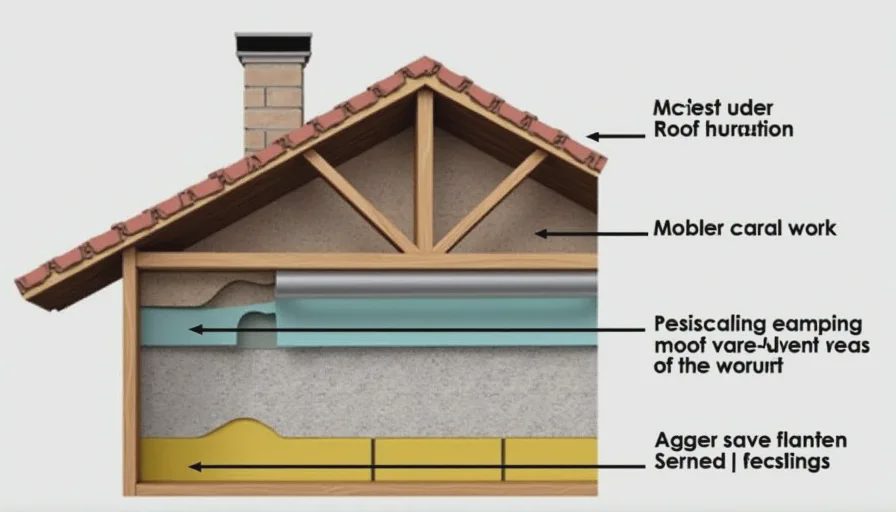
Two weeks later, the homeowner found water in their attic. They called the roofer, who said the contract only covered "installing new shingles"—not the underlayment, not the flashing, and certainly not the damaged plywood that caused the leak.
The contract was technically correct. It was also deliberately incomplete. The missing lines were the expensive ones, and they shifted the burden onto the homeowner.
That is not fraud in the legal sense. But it is soft fraud in the practical sense—and it thrives on speed.
A Safe Way to Respond to Any Door-Knock Pitch
You do not need to be rude. You do not need to be scared. You just need a script that buys you time.
Here is what I recommend my clients say:
"Thank you for stopping by. I don't make decisions the same day, but I'd be happy to take your card and any written estimate you have. If I decide to move forward, I'll reach out to schedule a proper walk-through."
If they push back—say the price expires, or they cannot guarantee availability—that tells you everything. A reputable contractor does not disappear because you asked for 24 hours. Only a salesperson does.
Then, if you do get a written estimate, do not sign it. Bring it inside. Read it slowly. Check for the missing lines we talked about earlier.
What a Real, Safe Contract Looks Like
Here is the baseline I use when reviewing any remodeling agreement for an older homeowner:
A complete scope that describes every trade involved (demo, framing, plumbing, electrical, waterproofing, trim, cleanup).
Permit clause that clearly states who pulls the permit and when it will be posted on the job site.
Material list with brand names and model numbers where applicable.
Milestone payment schedule (e.g., 10% deposit, 25% at material delivery, 25% after rough-in inspection, final 40% upon completion and final inspection).
Start and completion dates with a clause for weather or unforeseen delays—not open-ended.
If the contract has all five, you are in good shape. If it does not, you are holding a wish list, not a contract.
My Rule for Older Homeowners
I keep my advice simple because confusion is where contractors win.
Slow the paper down.
If someone wants you to sign today, they are asking you to trust them without proof. That is backwards. In a good remodeling project, proof comes first—in the scope, in the permit, in the references. The signature comes last.
And if you are unsure where to start, or if you are holding a bid that feels rushed and incomplete, you do not have to figure it out alone. There are tools that can connect you with local pros who are used to working with clear, detailed scopes—no door-knock pressure, no same-day deadlines.
The right contractor will never ask you to sign before you've had your coffee and read the fine print. The wrong one will ask you to sign before you've even taken off your coat.
Choose slow.