A grab bar is one of the simplest, most cost‑effective safety upgrades you can make in a bathroom. It costs a few hundred dollars, takes a few hours to install, and can literally save a life.
And yet, I have reviewed more disputes over grab bar installations than almost any other single bathroom item. Not because the bars themselves are complicated, but because the scope of work for installing them is almost always vague.
"Install grab bars in shower" is not a scope. It is a sentence. And a sentence does not tell the installer where, how high, at what angle, into what structure, or with what hardware.
Here is the problem: a grab bar that is not properly installed is worse than no grab bar at all. It gives the user a false sense of security. They put their full weight on it. It pulls out of the wall. And they fall—harder than they would have if they had never reached for it.
If you are planning a bathroom safety upgrade, this is what a good grab bar installation scope should actually mention—every time.
Why Grab Bar Scopes Are Almost Always Incomplete
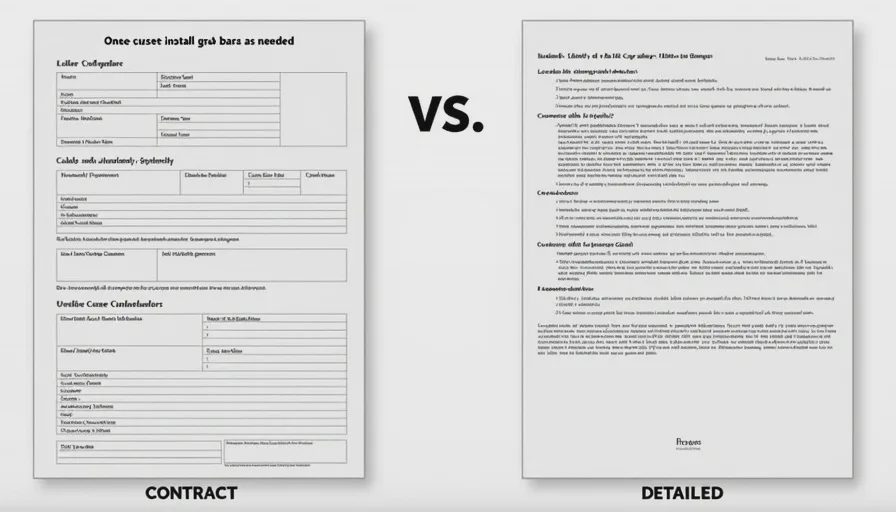
I have seen grab bar scopes that were a single line item: "Install grab bars as needed." That is not a scope. That is a blank check.
The reason contractors get away with this is that grab bars seem simple. They are small. They are not expensive. They are often added as an afterthought to a larger bathroom remodel. And because they seem simple, homeowners do not think to ask for details.
But the details are what determine whether the bar actually works. And those details are what I look for in every contract.
The Eight Things a Complete Grab Bar Scope Must Include
1. Exact Location
A complete scope specifies exactly where each grab bar is to be installed. Not "near the toilet" or "in the shower," but precise measurements:
At the toilet: 12 to 18 inches from the centerline of the toilet, on the side wall or back wall, horizontal at 33 to 36 inches above the finished floor.
At the shower entry: On the wall adjacent to the shower opening, vertical or angled, with specific height and distance from the opening.
Inside the shower: On the back wall or side wall, at specific heights and distances from the showerhead or control valves.
If the scope says "install grab bar beside toilet," the installer will pick a spot that seems convenient. But "seems convenient" is not a safety standard. And it may not align with the user's reach or weight‑bearing ability.
2. Height and Angle
The height of a grab bar is not optional. It must be specified in the contract.
Standard heights for horizontal grab bars are 33 to 36 inches above the finished floor, measured to the top of the bar. This range accommodates most users, but the exact height should be chosen based on the user's height and mobility needs.
For angled or vertical bars, the contract should specify the angle (e.g., 30 degrees from vertical) and the start and end heights.
If the scope only says "install grab bar at standard height," that is not enough. There is no single "standard." Every installer has a different default. The height must be written in inches.
3. Mounting Method: Studs, Blocking, or Toggle Bolts
This is the most critical technical detail—and the one most often omitted.
A grab bar must be securely fastened to something that can bear weight. That means:
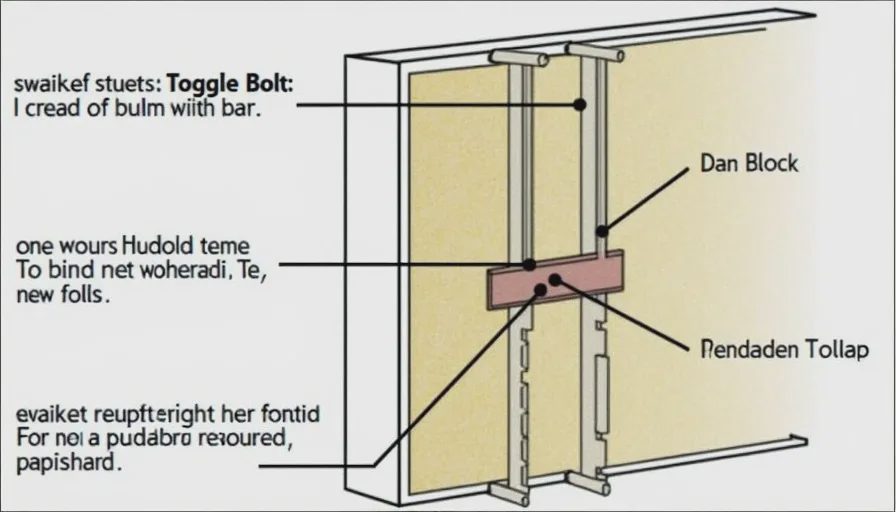
Wood blocking installed between wall studs during construction (best)
Directly into wall studs (the next best option)
Heavy‑duty toggle bolts into drywall, but only if the drywall is thick enough and the bar is not the primary support surface (last resort)
A complete scope specifies which method will be used. It also states that no grab bar shall be installed using plastic anchors or drywall screws, which are unsafe.
If the contract says "grab bars will be securely mounted," that is not enough. Ask: secured to what?
4. Fastener Specifications
Not all fasteners are equal. A complete scope specifies:
The type of screw or bolt (e.g., #10 stainless steel wood screws, or 3/8‑inch toggle bolts)
The minimum length (e.g., 2.5 inches into studs)
The material (stainless steel or coated to resist corrosion)
If the fasteners are not specified, the installer may use the cheapest hardware they have—which may rust or fail.
5. Weight Capacity
The contract should state the minimum weight capacity of the installed grab bar system. The ADA (Americans with Disabilities Act) requires a grab bar to support 250 pounds of force in any direction. Many experts recommend 300 pounds for safety.
If the scope does not mention weight capacity, there is no guarantee the bar will hold a person's full weight.
6. Material and Finish
A grab bar is not just a metal rod. The material and finish affect both safety and durability:
Stainless steel (type 304 or 316) is the most durable and corrosion‑resistant.
Brass or bronze is also acceptable, but must have a corrosion‑resistant coating.
Aluminum is lighter but less durable in wet environments.
The finish should be slip‑resistant (e.g., a textured or pebbled surface) to prevent hands from slipping, especially when wet.
If the contract only says "grab bar" without specifying the material and finish, you may end up with a shiny, slippery chrome bar that is dangerous when wet.
7. Waterproofing and Sealing
Grab bars are installed into walls that are often exposed to moisture. The mounting holes must be sealed to prevent water from entering the wall cavity and causing rot or mold.
A complete scope specifies that:
All fastener penetrations shall be sealed with waterproof caulk (silicone or polyurethane)
The bar's mounting flange shall be caulked around its perimeter to prevent water intrusion
If the contract does not mention sealing, water will eventually find its way through the holes.
8. Installation Verification
Finally, a complete scope specifies how the installation will be verified:
The installer will demonstrate that the grab bar is securely mounted by applying full weight to it.
The homeowner or a representative will witness a pull‑test (pulling downward and outward with moderate force) to confirm stability.
This is a simple step that catches most installation errors before the contractor leaves the site.
The Most Common Contract Language to Avoid
Here are some phrases I see in contracts that should be red flags—and what they actually mean:
Vague Language | What It Really Means |
|---|---|
"Install grab bars as needed" | The installer will decide where to put them, with no regard for your needs |
"Securely mounted" | No one has specified what "securely" means |
"Grab bars included" | No material, finish, or weight rating is specified |
"To be installed per code" | Most codes are minimal; they do not cover stud‑mounting specifics |
"Location to be determined" | This means you will have to argue about it later |
If you see any of these phrases, ask for clarification. Put the details in writing before any work begins.
How to Ensure Your Grab Bars Are Installed Correctly
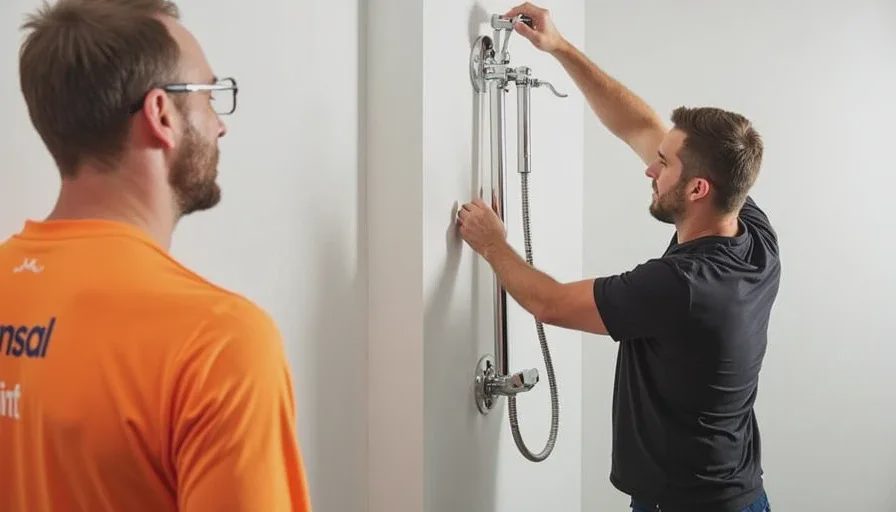
Here is a simple process I recommend to every homeowner:
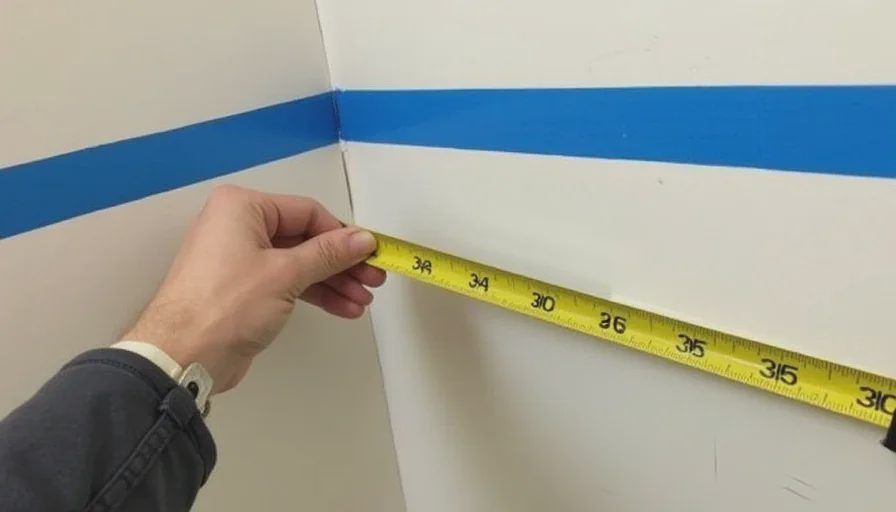
Before signing the contract, schedule a walk‑through with the contractor to mark the exact locations of each grab bar with painter's tape. Measure the height and distance from the wall. Write those measurements into the contract.
Ask the contractor: "Will you be mounting these into studs or installing blocking?" If they say "we'll use toggle bolts," ask for the weight rating of the toggle bolts. If they cannot tell you, insist on stud mounting or blocking.
Request a material specification: "Stainless steel grab bars, 1.5‑inch diameter, textured finish, with stainless steel fasteners."
Before final payment, test every grab bar. Pull on it. Push on it. Put your full weight on it. If it moves, do not pay. Have the contractor reinstall it.
Check the caulking. Make sure all penetrations are sealed with silicone. Look for gaps where water could enter.
The Cost of Getting It Wrong
I reviewed a case last year where a homeowner had a grab bar installed in a shower. The contract was a single line: "install grab bar." The installer used plastic anchors into drywall. Six months later, the homeowner reached for the bar while stepping out of the shower. It pulled out of the wall. She fell, broke her hip, and spent three months in rehab.
The contractor was not liable because the contract did not specify any mounting standard. The homeowner had no recourse.
That is the risk you take when you accept a vague scope. It is not a lawsuit risk—it is a safety risk. And safety risks are not worth the paper they are not written on.
My Rule for Older Homeowners
A grab bar is a safety device. It should be treated with the same care as a medical device or a structural component. The scope of work that installs it should be as detailed as the scope that installs a foundation beam.
If it matters, it should be written. And a grab bar matters.
Do not let "install grab bars" be the only line in your contract. Ask for every detail—location, height, mounting, fasteners, material, sealing, and testing. Write it all down. Then test it before you pay.
A good grab bar installation is not a guess. It is a specification. And specifications belong in the contract.