
Ideas for small bathroom remodeling often begin with a photo of a bright shower, a wall-mounted sink, or a new vanity that promises to make a cramped room feel larger. Those design changes can help, but the paperwork behind the project matters more than the picture. A small bathroom still involves plumbing, electrical work, ventilation, waterproofing, demolition, and permits. If one of those items is vague, the final price can grow quickly.
For older homeowners, the safest approach is to separate the useful ideas from the sales pitch. Slow the paper down. Ask what will be removed, what will be installed, who supplies each fixture, and what happens when the contractor finds damage behind the wall. If it matters, it should be written.
Start With the Existing Room, Not the Brochure
The best ideas for small bathroom remodeling usually come from measuring the room and identifying its limitations. Record the length and width, door swing, window position, plumbing locations, electrical outlets, ceiling height, and access to the shutoff valves. A contractor who proposes moving the toilet or shower should explain the plumbing route and price that work separately from ordinary fixture replacement.
A compact bathroom may benefit from a 24-inch vanity, a recessed medicine cabinet, a sliding shower door, or a corner shower. But a smaller fixture does not automatically mean a smaller project. Moving a drain through a slab, relocating a vent, repairing subfloor damage, or upgrading an outdated electrical circuit can add hundreds or several thousand dollars.
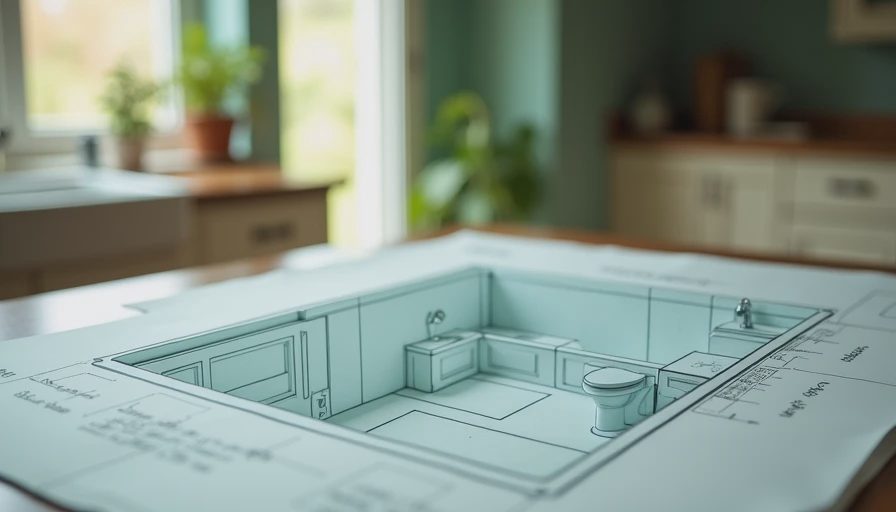
Request a drawing or written layout showing the toilet centerline, vanity width, shower dimensions, door clearance, and grab-bar blocking. A verbal promise that the room will feel more open is not a scope. A complete job should have a complete scope, including measurements and product allowances.
Read the Estimate for Missing Work
Many ideas for small bathroom remodeling look affordable because the estimate highlights visible items while leaving supporting work unstated. A bid might list a new shower at $6,500 but say nothing about demolition, disposal, waterproof backer board, plumbing valves, permits, painting, or patching the adjacent wall. Those omissions are not minor details. They are where change orders begin.
Look for separate line items for demolition and haul-away. The estimate should identify whether the contractor is removing one layer of tile or several layers, and whether old cement board, flooring, or a cast-iron tub requires special handling. It should also state who pays for concealed damage. A reasonable clause can explain how unforeseen conditions are documented, priced, and approved before extra work starts.
Product allowances need careful attention. A $300 allowance for a faucet may not cover the model you selected, and a $1,000 tile allowance can disappear quickly when labor, trim pieces, waterproofing accessories, and delivery are included. Ask for brand names, model numbers, quantities, and installation requirements. If the contractor says you can choose later, get the allowance and upgrade formula in writing.
Waterproofing Is Not a Decorative Detail
Among the most important ideas for small bathroom remodeling is to treat waterproofing as a system, not as a bead of caulk around the tub. Ask which membrane or backer-board system will be used, where it will extend, how corners and pipe penetrations will be sealed, and whether the shower pan will be tested before tile is installed.
The contract should name the shower pan, drain, curb, niche, bench, and wall areas included in the waterproofing scope. If the work includes a walk-in shower, clarify whether the floor is recessed, ramped, or built up. That affects the threshold height, bathroom door clearance, and the risk of water reaching the hallway.
A contractor may mention products from Schluter, Wedi, or a comparable manufacturer. The brand alone is not a guarantee. Installation instructions, compatible sealants, proper slope, and a documented water test matter. Ask for photographs before the walls are closed. What is missing here matters more than what is highlighted in a glossy proposal.
Check Accessibility Claims Carefully
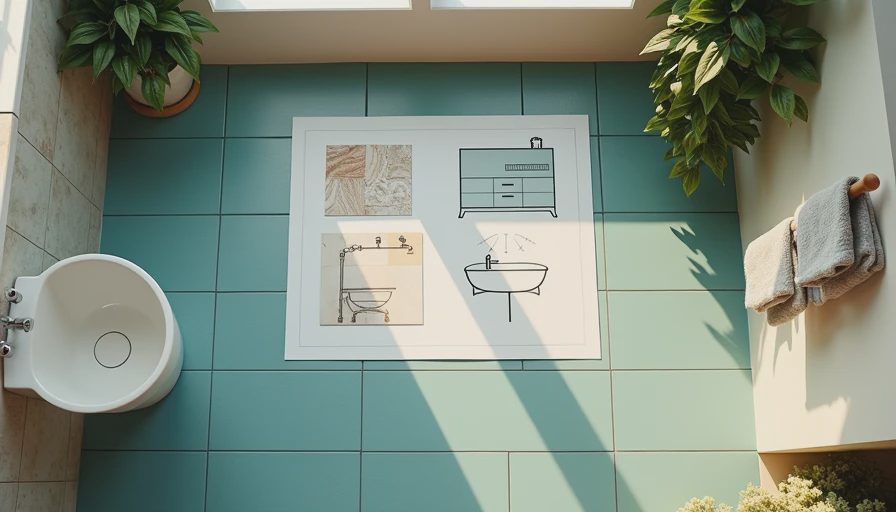
Some ideas for small bathroom remodeling are sold as safety upgrades, especially walk-in showers, grab bars, and comfort-height toilets. These can be sensible improvements, but the word accessible does not define a finished result. A shower may have a low threshold but still lack a stable seat, reachable controls, adequate floor slope, or properly reinforced grab-bar locations.
Ask whether grab bars are fastened into structural blocking rather than only tile or drywall. Confirm the shower control location, handheld sprayer height, lighting, exhaust fan operation, and slip-resistant flooring. If a contractor recommends a walk-in tub, ask about door clearance, filling and draining time, electrical requirements, service access, and what happens if the unit must be repaired.
Do not accept a safety claim as a substitute for measurements. If a family member uses a walker, cane, or wheelchair, place that information in the design notes and contract. The finished room should support the actual user, not an imagined showroom customer.
Compare Contractors Without Comparing Only Prices
The lowest bid for ideas for small bathroom remodeling can be the most expensive if it excludes critical work. Compare bids line by line rather than comparing only the total. One contractor may include a permit, licensed electrical work, disposal, finish painting, and a two-year workmanship warranty. Another may leave each item to be negotiated later.
Check the contractor's license requirements in your state, verify general liability and workers' compensation coverage, and ask for recent references for projects similar in size. A referral is useful, but it does not replace a written scope. Confirm who will perform the plumbing and electrical work, whether subcontractors are paid by the contractor, and who obtains inspections.
Be cautious when a salesperson says the price is available only today or asks for a large deposit before providing a contract. Urgency is not proof. A modest deposit tied to a signed agreement and a clear payment schedule is easier to evaluate than a request for most of the project price upfront. Never sign a blank change-order form.
A Practical Pre-Sign Review
Before approving any ideas for small bathroom remodeling, read the proposal once for design and again for risk. The document should include the exact work area, demolition, fixtures, finishes, waterproofing, plumbing, electrical work, ventilation, permits, cleanup, schedule, payment stages, warranty terms, and change-order process.
Confirm whether the contractor supplies the toilet, vanity, faucets, lighting, mirrors, tile, shower door, and accessories. Write down who measures and orders each item, who pays restocking fees, and what happens if a product arrives damaged. Ask whether the bathroom will be usable during the project and where workers will store materials.
A sensible payment schedule follows completed milestones, such as demolition, rough plumbing, waterproofing approval, tile completion, and final inspection. Hold back the final payment until the agreed work is complete, debris is removed, fixtures operate correctly, and required inspections are closed. Take dated photographs before, during, and after the work.
The strongest ideas for small bathroom remodeling are not simply the most attractive. They are the ones that fit the room, match the homeowner's needs, and survive careful document review. Get competing scopes, remove vague allowances, and insist that every important promise appears in writing before work begins.