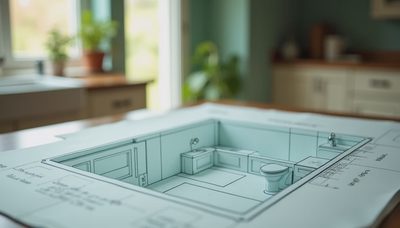
Houzz bathroom vanities can make a bathroom remodel look simple: choose a cabinet, add a sink and countertop, then arrange installation. That picture leaves out the part that causes many disputes. The vanity may be only one line in a much larger estimate, while plumbing changes, wall repairs, delivery damage, electrical work, and disposal are left unclear. Before you approve a contractor's proposal, slow the paper down and separate the product decision from the installation promise.
A vanity can cost a few hundred dollars for a basic cabinet or several thousand for a custom-looking unit with a stone top, integrated sinks, hardware, and matching storage. The purchase price is not the project price. A complete job should have a complete scope, with each material, labor item, connection, protection measure, and cleanup duty written in ordinary language.
Start With the Product Details
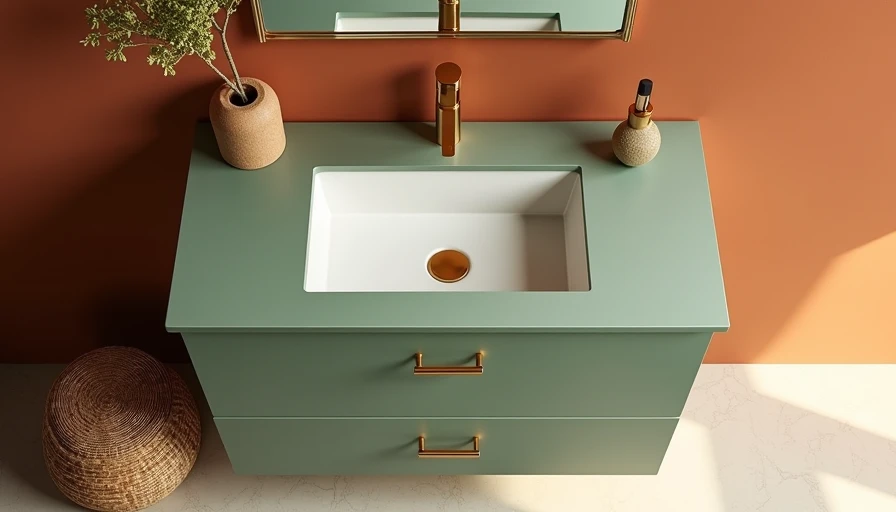
When reviewing Houzz bathroom vanities, print or save the full product page instead of relying on a phone screenshot. Record the cabinet width, depth, height, sink configuration, faucet-hole spacing, countertop material, drawer layout, finish, and delivery terms. A 60-inch vanity that looks right in a photo can fail in a 59-inch alcove once baseboards, side panels, and wall irregularities are measured.
Look for the actual seller and the return policy. Houzz is a marketplace and design platform where products can come from different retailers or manufacturers, so warranty handling, freight arrangements, and cancellation terms can differ. Ask who is responsible if the carton arrives with a crushed corner, the top is cracked, or the predrilled faucet holes do not match your fixture. “Inspect on delivery” is not the same as a clear process for reporting concealed damage.
Your contractor's estimate should identify the product by more than “bath vanity.” It should include a model number, finish, size, top, sink, hardware, and approved substitute procedure. If the contractor selects the item for you, ask whether the allowance covers the exact product or only a budget. A $900 allowance does not prevent a $1,700 upgrade; it simply shifts the difference to you.

Read the Installation Scope Line by Line
Houzz bathroom vanities are often installed during a larger bathroom project, which makes vague wording easy to miss. Ask whether the price includes removal of the existing vanity, disconnecting and reconnecting supply lines, modifying the drain, leveling the cabinet, securing it to the wall, installing the countertop, setting the sink, mounting the faucet, and sealing the backsplash or wall joint.
Plumbing is where a low installation figure can change quickly. A new cabinet may place drawers in front of an old drain, require a trap adjustment, or expose corroded shutoff valves. A wall-mounted faucet can involve work inside the wall rather than a simple fixture swap. The estimate should state whether minor plumbing adjustments are included and what counts as extra work. “Plumbing as needed” is not a useful limit because it does not tell you the hourly rate, materials markup, or approval process.
Electrical items deserve the same treatment. If the old vanity has a lighted mirror, outlet, or cabinet lighting, write down who disconnects and reconnects it. If a new outlet is required near a sink, the proposal should address the electrician, permit responsibility, patching, and inspection. Do not assume the cabinet installer handles licensed electrical work.
Check Measurements, Access, and Damage Risk
A careful contractor should measure more than the open width. The scope should account for door swing, toilet clearance, baseboard thickness, wall plumb, floor slope, medicine-cabinet location, and the path from the delivery truck to the bathroom. In an older home, a vanity may need scribing against an uneven wall or shimming on a floor that is no longer level.
Houzz bathroom vanities with stone or ceramic tops also create handling risks. Ask whether delivery is curbside, inside placement, or room-of-choice delivery. If the contractor accepts the shipment, state who inspects it and who photographs damage. If a replacement top takes four weeks, will the bathroom remain usable, or will the contractor install a temporary solution? These are practical questions, not attempts to complicate the project.
Be cautious when a salesperson says a product must be ordered immediately to preserve a discount. Inventory can change, but urgency is not proof. Before paying a deposit, confirm the final size and finish in writing, and make sure the contract allows a correction if the contractor ordered the wrong item. A rushed signature makes it harder to prove what you intended to buy.
Separate Allowances From Fixed Prices
Houzz bathroom vanities may appear in an estimate as a materials allowance, a fixture allowance, or a fixed package price. Those labels have different consequences. An allowance is a budget placeholder. If the chosen cabinet costs less, the contract should explain whether you receive the difference. If it costs more, the change order should show the product increase, tax, delivery, and any added labor separately.
For example, an estimate might list $1,200 for a vanity, $350 for a top, and $450 for installation. If you choose a $1,650 cabinet with a $700 quartz top, the reasonable question is not simply “How much more?” Ask for a revised line-item total. The contractor should show the $450 cabinet difference, the $350 top difference, and any plumbing or installation change caused by the new design.
Also check markup language. Some contractors apply a percentage to owner-selected materials, freight, and change orders. That can be legitimate when disclosed, but it should not be hidden in a broad “overhead” charge. If the contractor says the price includes all materials, identify whether that includes fasteners, adhesive, shims, caulk, drain parts, supply lines, and disposal fees.
Payment, Warranty, and Change-Order Warnings
A deposit should not be the only protection in the paperwork. The contract should identify the total price, payment milestones, start conditions, expected completion window, cancellation rights required by applicable law, and the party responsible for permits. Avoid paying the full vanity price before the item arrives and is inspected. A sensible schedule connects payments to progress, such as approved ordering, delivery without visible damage, installation, and final completion.
Houzz bathroom vanities can involve multiple warranties: the cabinet manufacturer, countertop supplier, sink maker, faucet brand, and installer. Ask who provides each warranty and whether installation labor is covered when a product fails. A manufacturer may replace a defective part while excluding the labor needed to remove and reinstall it. That gap should be understood before the work begins.
Every change should be written before it is performed. A change order should state the reason, added or credited amount, new completion date, and signatures or approvals. Never rely on a text message that says, “We will figure it out later,” especially after a wall is opened or a damaged product is discovered.
A Practical Review Before Signing
Before approving Houzz bathroom vanities for your project, compare the product page with the contract and ask five direct questions. What exact model and finish are being ordered? Who owns the risk during shipping? What plumbing and electrical work is included? Which items are allowances, and how are upgrades calculated? Who repairs damage to walls, floors, or the product during installation?
Then confirm the contractor's license requirements, insurance information, references for similar bathroom work, permit duties, and payment schedule. You do not need to accuse anyone of wrongdoing to request clear documents. A professional should be able to explain the scope without pressure or irritation.
The best vanity is not necessarily the most expensive one or the one with the most attractive photograph. It is the one that fits the room, arrives in an acceptable condition, and is supported by a written installation plan. If it matters, it should be written. If it is not written, that is where the trouble usually starts.