Taj mahal quartzite can make a kitchen look substantial and warm, but the stone itself is only one part of the purchase. The risk usually appears in the estimate: unclear slab allowances, missing edge details, vague installation language, and change orders that arrive after demolition. Before you approve a countertop project, slow the paper down. A beautiful sample does not tell you what is included in the final price.
Start by identifying the material correctly
The name taj mahal quartzite is often used in showrooms for a light stone with beige, cream, or soft gold movement. However, natural stone names are not always handled consistently from one supplier to another. A contractor may discuss quartzite, engineered quartz, or another natural stone while showing a similar-looking sample. Those materials have different maintenance needs, seam patterns, heat resistance, and price ranges.
Ask for the material description in writing. The estimate should identify the product as natural quartzite if that is what you are buying, along with the supplier, slab number, thickness, and finish. If the document only says “Taj Mahal top” or “premium stone,” it leaves too much room for substitution. A complete job should have a complete scope.
You should also ask whether the quoted price includes one specific slab or a general allowance. A slab allowance of $2,500 can sound generous until the selected stone costs $4,000. The difference then becomes a change order. Ask for the actual slab invoice or a written allowance showing the dollar amount before you sign.

Read the countertop estimate line by line
A reliable estimate separates the major cost categories instead of presenting one attractive total. Look for demolition, template measurement, slab material, transportation, fabrication, cutouts, edge treatment, sink installation, backsplash work, sealing, plumbing reconnection, and disposal. If several of those items are absent, do not assume they are included.
For example, a bid might list taj mahal quartzite at $3,600 but say nothing about fabrication. A fabricator could charge separately for an undermount sink cutout, a cooktop cutout, polished edges, and a difficult seam. Depending on the project, those additions can total several hundred dollars or more. The right question is not only “What is the countertop price?” It is “What work must happen before this countertop can function?”
Check the measurement procedure as well. A professional should create a field template after cabinets are installed and level. If the contractor is pricing from rough cabinet dimensions, the final layout may change. Ask who is responsible if walls are out of square, cabinets are not level, or the selected slab cannot produce the promised layout.
Confirm the slab, layout, and seams
Natural stone varies from slab to slab. A small showroom sample cannot show every vein, open area, fissure, or color shift in the full piece. If the appearance matters to you, ask to view the actual slab in person or request a clearly labeled digital layout. The layout should show where seams, sink cutouts, corners, and appliance openings will fall.
A fabricator may rotate or rearrange pieces to reduce waste, but that can change the visual flow. With taj mahal quartzite, the movement may be subtle in one section and much stronger in another. Put your approval process in the contract: identify who approves the slab and layout, when approval occurs, and what happens if the material arrives damaged.
Ask whether seams are included in the quoted price and whether seam placement is guaranteed or simply estimated. No seam is invisible in every light or from every angle. A fair contract explains the expected location, color-matching process, and remedy for a seam that is materially different from the approved plan.
Watch for installation gaps
The countertop may not be ready for installation when the sales representative says it will be. Cabinets must generally be secure, level, and accessible for templating. Wall tile, flooring, electrical work, and plumbing can affect the sequence. Your contract should state who coordinates each trade and who pays if one crew delays another.
Clarify whether the installer will remove and reconnect the sink, faucet, garbage disposal, and cooktop. Plumbing reconnection often falls outside a basic stone installation quote. If a sink is supplied by the homeowner, record its brand and model. Different sinks require different cutout dimensions, and the fabricator should have the approved specifications before cutting.
The document should also address support requirements for overhangs. A peninsula or island may need brackets, legs, or other support depending on the material and design. Do not accept “standard support” as the entire explanation. The estimate should identify the support method, finish, cost, and installer responsibility.
Check maintenance and warranty language
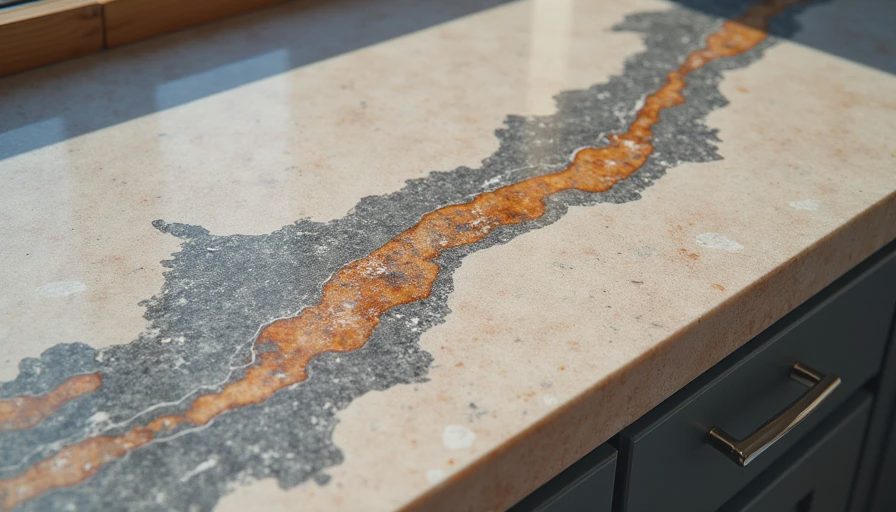
Taj mahal quartzite is natural stone, so ask what sealer is being applied, whether sealing is included, and whether the contractor provides care instructions. “Sealed” is not a complete warranty. You need to know whether the contractor covers installation defects, cracks caused during fabrication, loose seams, chipped edges, or damage discovered after installation.
Read the exclusions carefully. A fabricator may exclude damage caused by cabinet movement, structural settling, misuse, harsh cleaners, or hot cookware. Some exclusions are reasonable, but they should be understandable before payment. If the warranty is only a verbal promise from a salesperson, it is not enough. If it matters, it should be written.
Do not confuse a material manufacturer warranty with an installation warranty. A stone supplier may address a product defect, while the fabricator addresses workmanship. Ask for both documents, including the time limit and claim process. Keep photographs of the slabs, seams, completed edges, and any existing cabinet problems before work begins.
Protect yourself in the payment schedule
Avoid paying the entire balance before the stone is fabricated and installed. A common structure might include a deposit for ordering material, a progress payment after templating or fabrication, and a final payment after installation and inspection. The exact percentages depend on the contractor and local rules, but the final payment should not be due before you can identify incomplete work.
Make sure the contract names the legal contractor, business address, license information when applicable, insurance information, project start conditions, and cancellation terms. Confirm who receives your deposit if a separate stone fabricator is involved. You should also know whether a special-order slab can be canceled and what portion of the deposit is refundable.
If the estimate includes taj mahal quartzite as an allowance, require written approval before the contractor exceeds it. Do not allow a crew to select a more expensive slab while you are away and present the difference afterward. Urgency is not proof. A few minutes of pressure at a showroom can create thousands of dollars in avoidable cost.
A practical pre-signing checklist
Before signing, compare the estimate against the room itself. Count the sink and cooktop cutouts. Confirm the backsplash height and whether outlets will need to move. Identify the edge profile on every exposed edge. Ask whether demolition includes hauling away the old surface. Verify that the approved slab, finish, thickness, layout, seam plan, support details, sealing, and plumbing work appear in writing.
Then ask one final question: what is not included? The answer may reveal more than the sales presentation. A contractor who can explain exclusions clearly is easier to evaluate than one who insists that everything is standard. Get a revised estimate when an answer changes the scope, and keep the signed version with receipts, drawings, photographs, and emails.
Taj mahal quartzite may be the right material for your kitchen, but the stone should not distract you from the paperwork. Compare at least two detailed bids, verify the fabricator, and refuse to sign a blank allowance or vague change-order clause. The safest project is not necessarily the cheapest one; it is the one where the promised result, responsibilities, and total price are clear before work starts.