
Concrete countertops can look straightforward on a remodeling estimate: one material, one measured surface, one installation line. In practice, the finished result depends on templates, cabinet support, reinforcement, curing, delivery, cutouts, sealing, and the skill of the installer. That is why I tell homeowners to slow the paper down before approving concrete countertops. A low starting price can become a much larger bill when the scope leaves key work undefined.
This is not a warning against the material. Concrete can be durable, repairable, and visually distinctive when it is properly designed and maintained. The concern is the contract. If the proposal says only “install concrete countertops” without explaining what happens before, during, and after installation, you do not yet have a complete scope. You have a phrase that leaves room for expensive assumptions.
Read the estimate as a scope of work
Start by asking whether the estimate measures the actual project or uses a rough allowance. A contractor may quote $4,000 for concrete countertops based on a simple drawing, then charge more after discovering an angled peninsula, uneven walls, thick edges, or a sink that requires a custom opening. None of those discoveries should be a surprise after demolition or fabrication.
The proposal should state the approximate square footage, slab thickness, edge profile, color or aggregate expectations, backsplash treatment, and number of seams. It should also say who removes the existing surface, who disconnects and reconnects plumbing, and whether the price includes disposal. A line reading “countertop installation” does not automatically include cabinet leveling, appliance movement, wall repairs, or plumbing reconnection.
Ask how measurements are taken. A professional may create a physical template after cabinets are installed and leveled. If the contractor plans to fabricate from an old drawing or a rough tape measurement, ask what happens if the final dimensions differ. That answer belongs in writing before you pay a deposit.
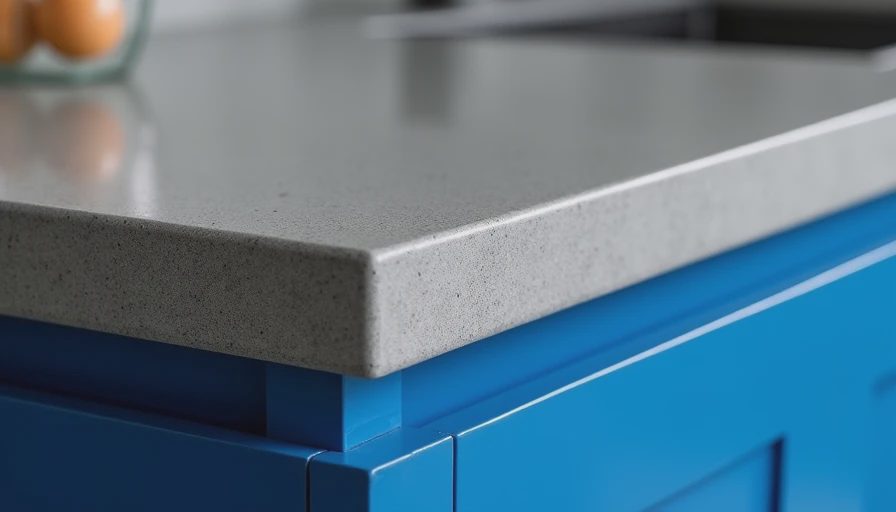
Concrete countertops require more than a material price
Many estimates separate fabrication from installation, while others combine them. Either approach can work, but you should be able to identify the cost of each major step. Concrete countertops may be cast at the job site or fabricated in a workshop and transported later. Site casting can reduce handling for complicated layouts, but it can also create more dust, noise, curing time, and disruption inside the home. Shop fabrication can provide controlled conditions, yet delivery access and lifting requirements become important.
Ask about reinforcement and support. Concrete is strong in compression but can crack when poorly supported, moved improperly, or exposed to movement in the cabinets. The contract should identify whether the installer will add steel mesh, fiber reinforcement, brackets, or other support suited to the design. Do not accept a vague promise that the cabinets are “probably strong enough.” The contractor should inspect and document cabinet condition before fabrication.
Weight also matters for older kitchens. If cabinets are damaged, lightly built, or not firmly attached to the wall, leveling and reinforcement may be necessary. If that work is excluded, the contractor should say so plainly. Otherwise, you could be presented with a change order when the countertop is already in production.
Sealing, staining, and maintenance must be explained
A homeowner should know what sealer is being used, how many coats are included, and when the surface can safely be used. Concrete countertops are porous unless sealed, and even sealed surfaces can require care around wine, citrus, cooking oils, and standing water. “Sealed finish included” is not enough detail. Ask for the product name, expected sheen, application method, cure time, and maintenance instructions.
The contract should also address normal variation. Concrete can show pinholes, color differences, movement in aggregate, hairline marks, or subtle surface texture. Some variation is part of the material, while a major defect may involve poor fabrication or installation. A written sample approval process helps separate the two. Photograph the approved sample and attach it to the project file if the contractor agrees.
Be cautious with broad promises such as “stain proof,” “maintenance free,” or “will never crack.” Those phrases sound reassuring but are difficult to enforce. A better warranty explains what is covered, how long coverage lasts, and what actions void it. It should identify whether sealing failures, cracks, chips, transport damage, and installation problems are treated differently.

Check cutouts, edges, seams, and plumbing
Kitchen details are where vague estimates often become change orders. Concrete countertops may include openings for a sink, faucet, soap dispenser, cooktop, outlet, or under-counter appliance. Confirm the model numbers before fabrication. A contractor should not rely on “standard sink size” when the sink has a specific rim, reveal, mounting system, or manufacturer template.
Ask who supplies the sink and appliances, who verifies the dimensions, and who pays if an owner-supplied item does not fit the approved opening. Also ask how seams will be placed and finished. A seam near a sink may be more visible or exposed to water than one in a dry area. The estimate should explain whether seam filler, color matching, and final touch-up are included.
Edge profiles deserve the same attention. A simple eased edge is different from a thick laminated edge or a decorative build-up. If the drawing shows one profile and the estimate describes another, stop there. What is missing matters more than what is highlighted.
Review payment terms and change-order language
A deposit is common, especially when custom materials must be fabricated. The risk rises when the contractor requests most of the price before templates, fabrication, and installation are complete. A reasonable payment schedule should connect payments to visible milestones rather than vague dates. For example, one payment might follow approved measurements, another fabrication, and the final balance after installation, inspection, and cleanup.
Read the change-order section slowly. It should require written approval before extra work begins and explain how labor, materials, taxes, and delays are calculated. If the contractor can add charges for “unforeseen conditions” without describing the process, your budget is not protected. Ask whether cabinet repairs, wall corrections, plumbing changes, and additional trips are included or excluded.
Also confirm the contractor’s license requirements, insurance coverage, permit responsibility, cancellation terms, and warranty contact. Not every countertop job needs the same permits, but the contractor should explain who is checking rather than leaving you to discover a requirement after work starts. Keep the estimate, drawings, emails, samples, and receipts together.
A practical final review before signing
Before approving concrete countertops, compare at least two detailed proposals using the same questions. One contractor may appear cheaper because demolition, sink cutouts, sealing, or plumbing are excluded. Another may cost more because those tasks are included. Compare the scope line by line, not just the total at the bottom.
Ask the contractor to identify the project manager, fabricator, installer, and warranty contact. Confirm the expected template date, fabrication window, installation date, cure period, and final inspection. If a delay affects your temporary kitchen arrangements, that timeline matters.
A contractor who welcomes specific questions is giving you useful information before the job. A contractor who says the paperwork is unnecessary, demands immediate payment, or dismisses normal variation concerns is giving you a different signal. Urgency is not proof. Slow the paper down, and require every important promise to appear in the agreement. Concrete countertops can be a sound choice, but only when the contract makes the full job visible before you sign.