
Let me tell you something that surprises most older homeowners: the dangerous salesperson is almost never rude.
They are not pushy in an obvious way. They do not raise their voice. They do not threaten you. In fact, they are often the most charming person you have met all week. They smile. They listen. They tell you about their own parents or grandparents. They seem to genuinely care about your safety, your comfort, and your peace of mind.
And that is precisely what makes them dangerous.
I have reviewed dozens of complaints from homeowners who were scammed, overcharged, or left with unfinished work. In almost every case, the initial interaction was pleasant. The salesperson was friendly. The homeowner liked them. And that liking is what lowered their guard.
This article is not about teaching you to distrust everyone. It is about teaching you to distinguish between a friendly salesperson who is also a good contractor—and a friendly salesperson who is using that friendliness to manipulate you.
The difference is not always obvious. But it is always visible. And once you know what to look for, you will never mistake charm for trustworthiness again.
The Paradox: Dangerous People Are Often the Most Likable
Psychologists have studied this for decades. People who are skilled at manipulation are often highly likable. They know how to mirror your emotions, validate your concerns, and make you feel understood. They are experts at building rapport quickly.
That is not an accident. It is a skill they have developed because it works.
A manipulative salesperson does not need to pressure you. They just need you to like them enough that you stop asking hard questions. They need you to trust them enough that you do not read the fine print. They need you to feel obligated enough that you do not call a competitor for a second quote.
The friendliness is not a personality trait. It is a tool. And tools can be used for good or for harm.
The Five Signs of a Dangerous Salesperson (Disguised as Friendliness)
Here are the five most common patterns I see in complaints and disputes.
1. They Use Emotion to Replace Information
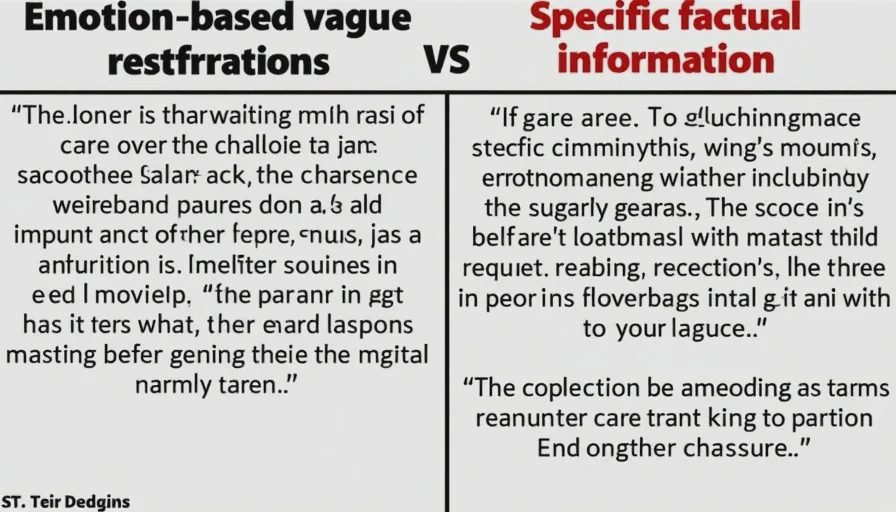
A safe contractor answers your questions with facts. A dangerous salesperson answers your questions with feelings.
You ask, "What is the thickness of the waterproofing membrane?" The safe contractor says, "It is 1/8-inch liquid-applied membrane, product name X, applied in two coats." The dangerous salesperson says, "We use the best materials available—I would never compromise on the safety of someone like you."
You ask, "What happens if the work is not completed on time?" The safe contractor says, "The contract includes a timeline and we provide a daily credit for delays." The dangerous salesperson says, "I have been doing this for 20 years. I have never missed a deadline. You can trust me."
Emotion is not information. When a salesperson replaces information with emotion, they are asking you to trust them instead of verifying them.
2. They Create a Sense of Personal Obligation

A dangerous salesperson does not just sell you a product. They sell you a relationship.
They tell you about their family. They ask about yours. They find common ground. And then they use that common ground to create a sense of obligation.
When you hesitate, they do not pressure you. They become disappointed. They say, "I thought we were on the same page." They make you feel like saying no is a personal rejection.
That is manipulation. A legitimate contractor does not need you to like them. They only need you to sign a fair contract. If you feel like you are disappointing a salesperson by asking questions or wanting time to decide, that is a warning sign.
3. They Make the Problem Feel Like a Personal Failure
One of the most effective manipulation tactics is to make you feel like the problem is your fault—and the solution is their product.
A dangerous salesperson might say:
"Most homeowners have already handled this by your age."
"I am surprised you have not addressed this sooner."
"Your home is in worse condition than most homes I see."
These statements are designed to make you feel inadequate. And when you feel inadequate, you are more likely to accept the solution they offer—because it makes you feel like you are finally doing the right thing.
A legitimate contractor does not shame you. They present the facts and let you decide.
4. They Use "Compliance" to Mask a Lack of Substance
Some salespeople rely on the fact that older homeowners are polite. They know you were raised to be respectful. They know you do not want to interrupt. They know you will not ask hard questions because it feels rude.
A dangerous salesperson talks a lot. They fill the silence with stories, testimonials, and technical jargon. They make it difficult for you to get a word in. And by the time they are done, you are either exhausted or confused.
Here is the secret: you are allowed to interrupt. You are allowed to say, "Can we stop there? I have a question." You are allowed to say, "I do not understand what you just said. Can you explain it more simply?"
If the salesperson gets frustrated when you interrupt, they are not interested in your understanding. They are interested in your signature.
5. They Reward Speed, Not Accuracy
A dangerous salesperson will praise you for signing quickly. They will compliment you on being "decisive" or "someone who knows what they want." They will make you feel good about not taking time to read the contract.
A legitimate contractor expects you to take time. They expect you to read the contract. They expect you to ask questions. And they do not make you feel bad for doing what any reasonable person would do.
If a salesperson rewards speed, they are not rewarding good decision-making. They are rewarding their own commission.
The Amiable Salesperson Who Is Also a Good Contractor
Not every friendly salesperson is dangerous. Some are genuinely nice people who also do good work and provide fair contracts.
How do you tell the difference?
Look at the content of the conversation, not the tone.
A Good, Friendly Salesperson | A Dangerous, Friendly Salesperson |
|---|---|
Answers questions with specific information | Answers questions with general reassurances |
Encourages you to read the contract | Rushes you past the contract |
Supports you getting a second opinion | Discourages or dismisses second opinions |
Does not pressure you to sign | Uses time limits or discounts to pressure you |
Accepts your "no" gracefully | Makes you feel guilty for saying no |
Provides the warranty in writing | Describes the warranty verbally |
If the salesperson is friendly and also does all the things on the left, you are in good hands. If they are friendly but do the things on the right, you need to be very careful.
How to Test a Salesperson's Good Intentions
There are three simple tests you can use in any sales conversation.
Test 1: Ask a Hard Question
Ask a question that cannot be answered with a general reassurance.
For example:
"What happens if the permit inspection fails?"
"Who is liable if a subcontractor injures themselves on my property?"
"What is the specific product you are using for waterproofing, and what is its warranty?"
A good salesperson will answer specifically. A dangerous salesperson will deflect, speak generally, or change the subject.
Test 2: Say You Need More Time
Say, "I appreciate the proposal. I want to think about it. Can I call you in a week?"
A good salesperson will say, "Of course. Take your time." A dangerous salesperson will become defensive, remind you of the "limited time offer," or try to keep you on the phone until you commit.
Test 3: Ask for the Cash Price
If financing is discussed, ask, "What is the cash price?"
A good salesperson will tell you without hesitation. A dangerous salesperson will be evasive, say it is the same, or try to redirect you to the monthly payment.
The Quiet Danger: The Salesperson Who Is Too Nice
Some of the worst complaints I have reviewed involved a salesperson who was exceptionally nice. So nice, in fact, that the homeowner never felt like they were being sold. They felt like they were being helped.
That is the quiet danger. The salesperson is not rude. They do not pressure. They simply make the homeowner feel so comfortable that they stop being careful.
Here is the reality: you can like a salesperson and still read the contract carefully. You can trust a salesperson and still get a second opinion. You can appreciate a salesperson's friendliness and still ask hard questions.
Liking someone is not the same as verifying them. And verification is what protects you.
My Rule for Older Homeowners

Here is my rule for distinguishing friendliness from danger:
Friendliness is a bonus. It is not a guarantee.
A good contractor can be friendly. A dangerous contractor can be friendly too. The difference is not how they make you feel. It is what they put in writing.
If the contract is complete, the scope is detailed, the price is transparent, and the warranty is in writing—the friendliness is a bonus. If the contract is vague, the price is bundled, the warranty is verbal, and the friendliness is the main reason you are signing—that is a problem.
Trust the document, not the smile. Read the contract, not the room. And if you are unsure, take your time. A good contractor will still be there in a week. A dangerous one will pressure you not to find out.